Hey — Marcelo here 👋
Looks like you were redirected to my previous portfolio.
No worries — you're in the right place. I'm currently building a new version of the site (which is probably where you came from).
In the meantime, feel free to explore this version below — you should still find what you're looking for.
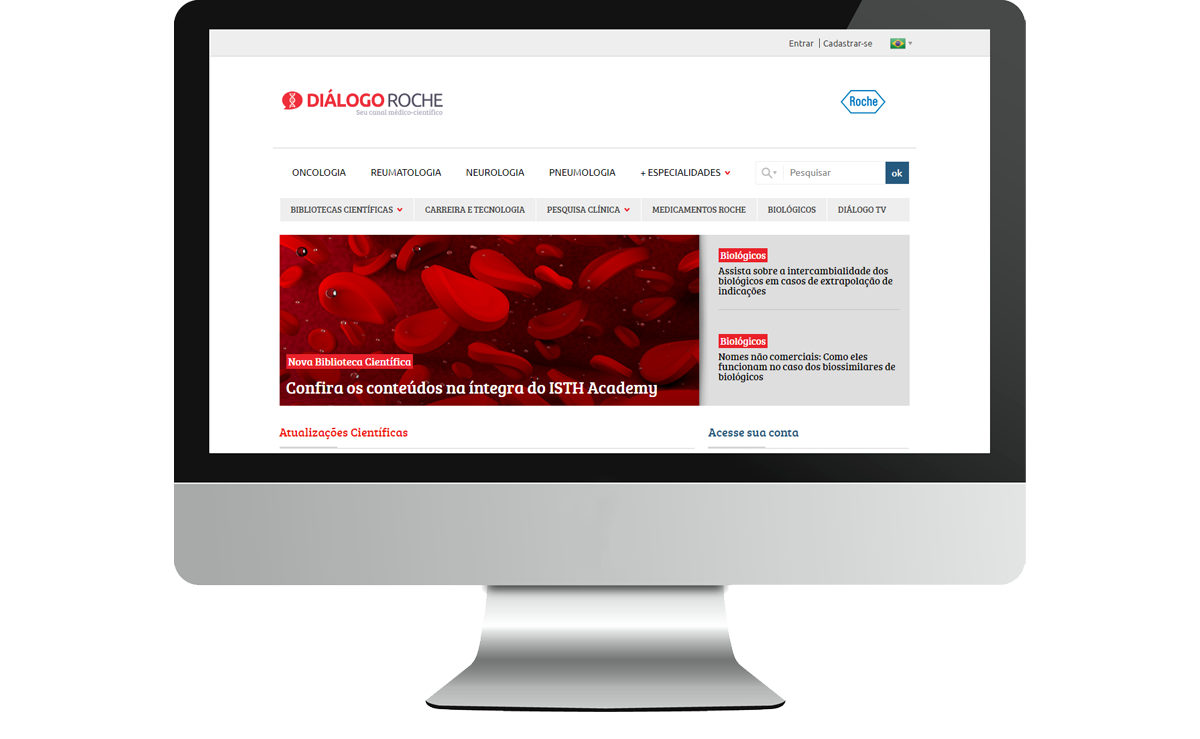
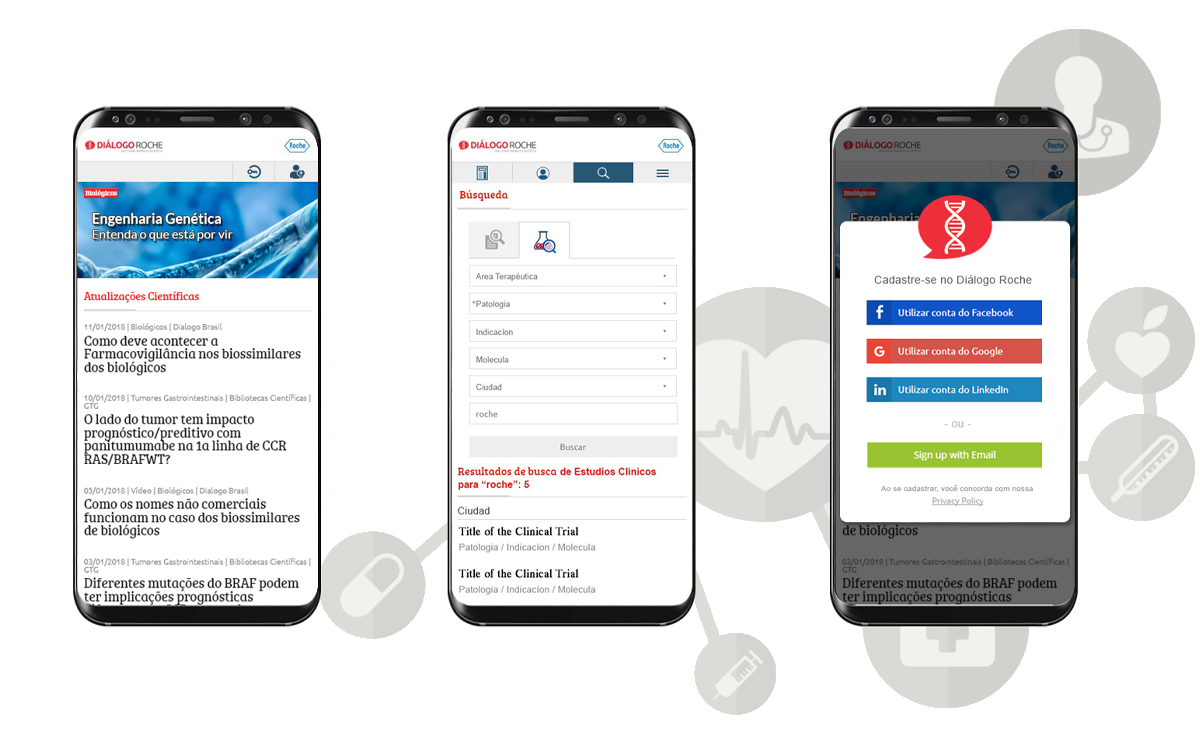
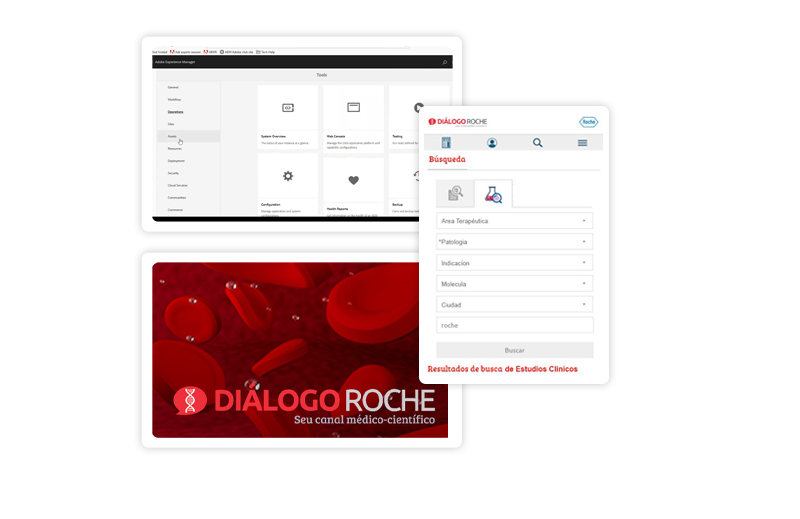
A digital platform developed for Roche, designed to support physicians through accessible, reliable, and user-centered medical content.
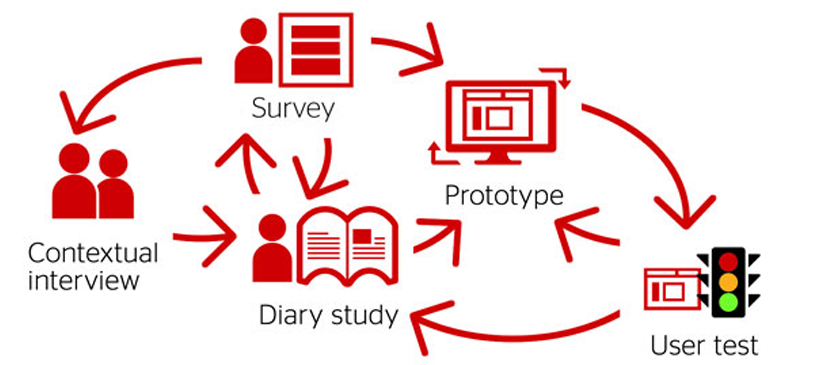
The project focused on prototype development and UX consulting, helping guide an internal shift toward building one of the company’s most important medical platforms in-house. Through a structured, user-centered methodology—shaped by months of research, stakeholder alignment, and iterative decision-making—the solution placed both physicians and business goals at the core of the experience, ensuring clarity, trust, and ease of use in a highly regulated environment.
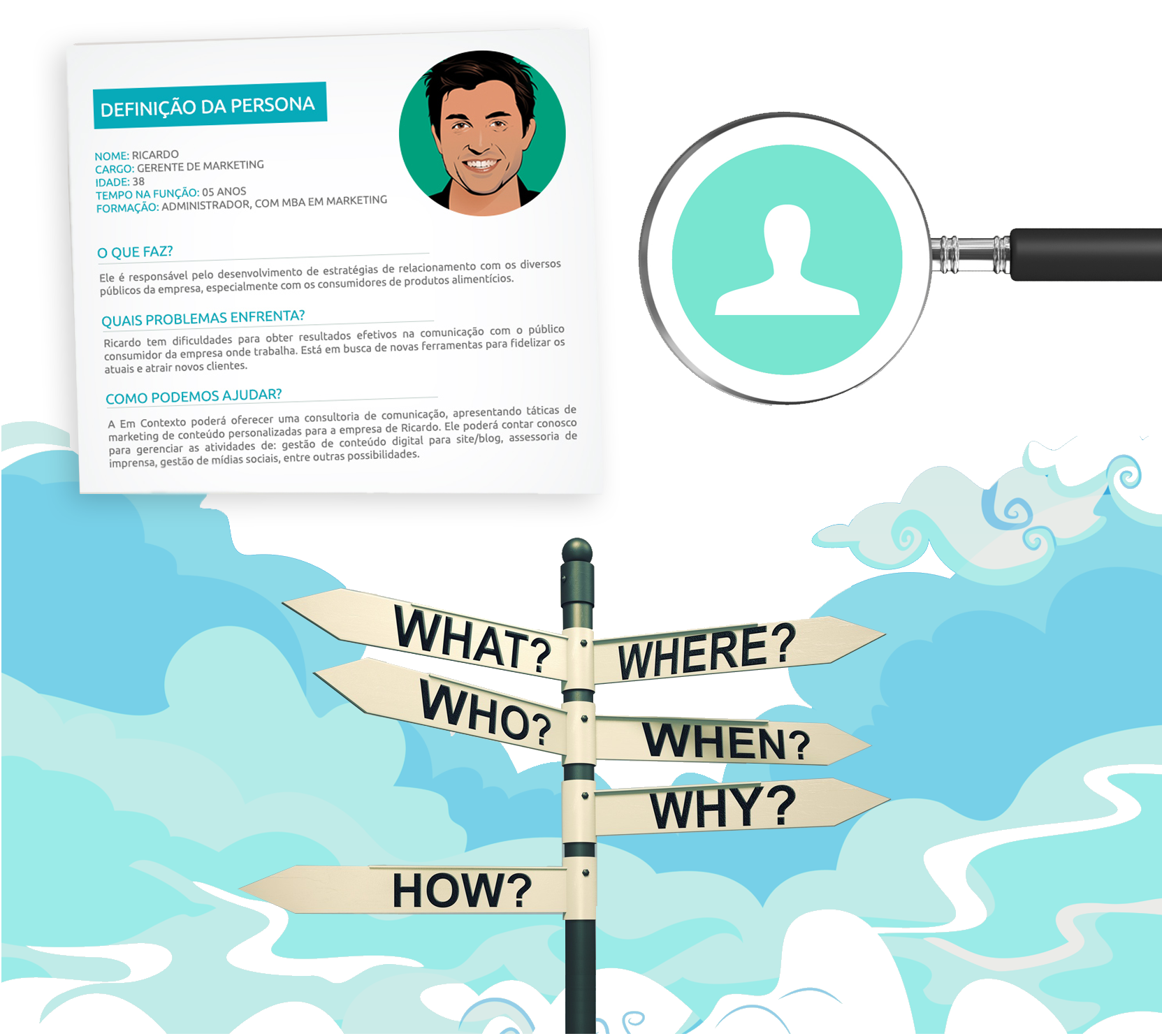
Before defining the product, I focused on understanding the behavior, needs, and constraints surrounding healthcare professionals (HCPs) in Latin America.
Key questions guided this phase:
How do HCPs access digital content—and at what moments in their workflow?
How do they discover new treatments or products?
What role do different platforms and channels play in their daily routines?
And importantly, is there a single HCP profile, or multiple distinct user groups to consider?
Beyond behavior, regulatory constraints also played a critical role. Mapping relevant legislation across Latin American markets was essential to ensure that any proposed solution would be not only user-centered, but also compliant from the ground up.
With a clear understanding of both user needs and business objectives, the next step was to translate insights into a structured experience.
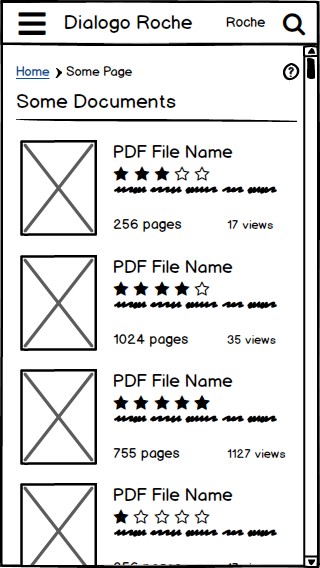
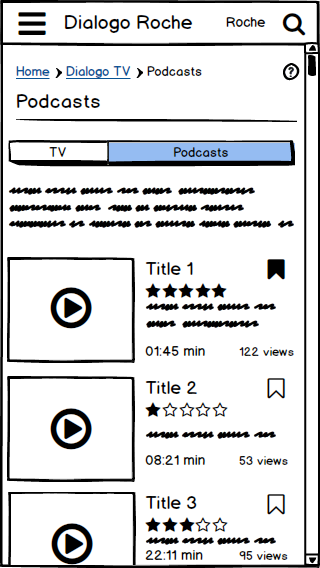
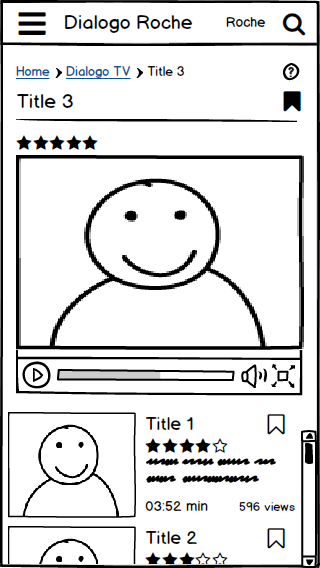
In close collaboration with a colleague and cross-functional teams, I worked on defining the site architecture—developing sitemaps and information architecture aligned with both user expectations and internal requirements. This phase also included the creation of key ideation artifacts and pre-build documentation, establishing a solid foundation that guided the development of the initial prototypes.
With the initial prototypes in place, the focus shifted to validating key assumptions through direct user feedback.
navigation, content access, and overall flow. These sessions were complemented by structured feedback loops, allowing us to iterate quickly and refine the experience based on real user behavior rather than internal assumptions.
Where relevant, alternative solutions were explored and compared to better understand user preferences and optimize key interactions. This iterative validation process ensured that each design decision was grounded in evidence—resulting in a more intuitive, efficient, and trustworthy experience for end users.
Following validation, the refined solutions were handed over to the development team, with whom we collaborated closely throughout the build and deployment phases. This continuous alignment ensured that the final product stayed true to both user needs and the original design intent, even as technical and operational challenges emerged along the way.
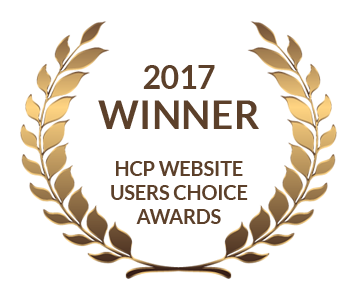
The effort extended beyond launch. Through ongoing iteration and improvements over the following year, the platform evolved alongside its users—ultimately leading to a defining moment: Dialogo Roche was recognized by healthcare professionals as the best medical affairs website in Latin America.
A strong reminder that when the process is right, the impact follows—creating solutions that don’t just function, but genuinely improve people’s daily work.